

Hyperbaric oxygen therapy is no longer reserved for elite athletes or hospital burn units.
Studies published in medical journals show HBOT can improve tissue oxygenation by up to 15 times compared to normal breathing, which explains why interest in hyperbaric chambers has exploded.
But once people start researching, one question always comes up: soft shell vs hard shell hyperbaric chambers.
They may look similar at first glance, but the technology behind them is very different, and those differences directly affect safety, performance, and results.
This guide breaks everything down in a clear, human way.
No hype, no sales talk, just the real technical differences that actually matter when choosing the right hyperbaric chamber for clinical or personal use.
Understanding Hyperbaric Chamber Basics Before Comparing
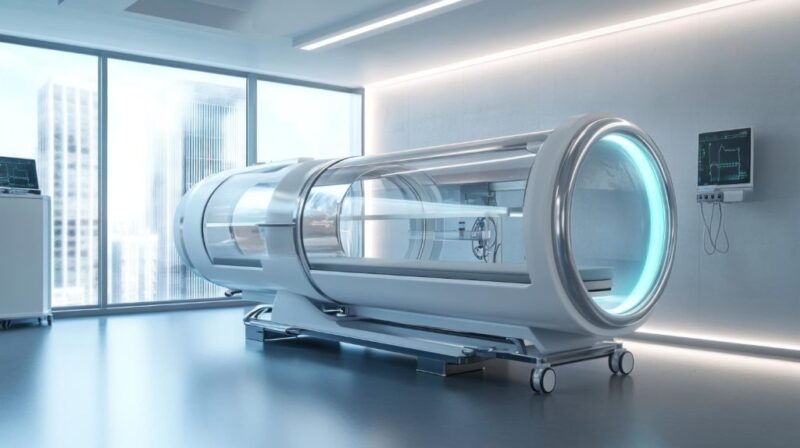
Source: foundingfathershyperbarics.com
Before diving into shell types, it helps to understand what a hyperbaric chamber actually does.
Hyperbaric oxygen therapy works by increasing atmospheric pressure while delivering oxygen, allowing oxygen to dissolve directly into plasma rather than relying only on red blood cells.
This process accelerates healing, reduces inflammation, and supports cellular repair.
Not all chambers deliver oxygen the same way. Pressure levels, oxygen concentration, and structural integrity all influence how effective a session can be. Soft shell and hard shell chambers are designed with different goals in mind, which is why outcomes can vary so widely.
This difference becomes especially clear in professional environments such as medical clinics offering advanced care, including settings like a multiplace hbot Los Angeles facility where multiple patients receive treatment simultaneously under strict clinical standards.
These environments highlight how chamber construction directly impacts treatment capability, safety protocols, and therapeutic depth.
You can see how clinical-grade hyperbaric therapy is delivered in such settings by visiting
What Defines a Soft Shell Hyperbaric Chamber
Soft shell hyperbaric chambers are typically made from reinforced fabric materials, often resembling an inflatable tube or capsule. They are designed primarily for mild hyperbaric therapy and are popular for home use due to their portability and lower cost.
Key characteristics of soft shell chambers include:
- Operating pressure usually between 1.3 and 1.5 ATA
- Oxygen delivery through an external concentrator
- Lightweight materials with zipper-sealed entry
- Setup that does not require permanent installation
These chambers rely on ambient air mixed with oxygen rather than delivering 100 percent oxygen.
Because of this, the therapeutic intensity is lower. Many users report benefits for recovery and general wellness, but results tend to be slower and more subtle compared to clinical systems.
Soft shell chambers prioritize convenience over maximum performance, which makes them accessible but also limits their medical applications.
How Hard Shell Hyperbaric Chambers Are Engineered
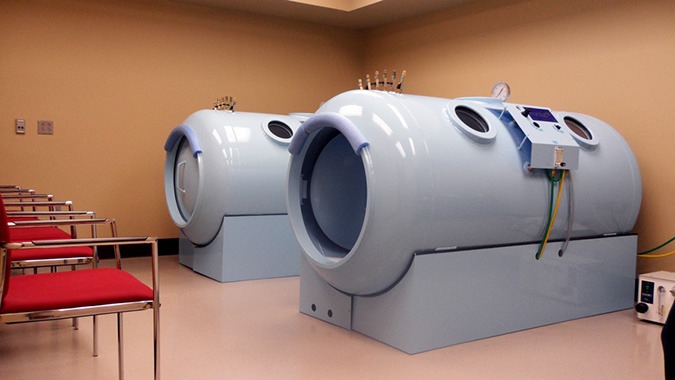
Source: healthessentialshbot.com
Hard shell hyperbaric chambers are built from steel or acrylic and are designed to withstand much higher pressure levels.
These chambers are considered medical-grade and are commonly used in hospitals, wound care centers, and specialized wellness clinics.
Unlike soft shell systems, hard shell chambers can safely operate at pressures exceeding 2.0 ATA and deliver near-100 percent oxygen directly into the chamber.
This dramatically increases oxygen saturation throughout the body.
Core technical features include:
- Rigid structure for high-pressure tolerance
- Medical oxygen delivery systems
- Integrated safety valves and monitoring systems
- Ability to support monoplace or multiplace treatments
Because of these capabilities, hard shell chambers are used for FDA-cleared indications such as radiation injuries, diabetic wounds, carbon monoxide poisoning, and post-surgical recovery.
Their engineering supports consistent pressure control, which is essential for predictable therapeutic outcomes.
Pressure Capacity and Why It Changes Results
Pressure is one of the most important technical differences between soft shell and hard shell hyperbaric chambers.
The higher the pressure, the more oxygen can dissolve into plasma, and that is where many of HBOT’s powerful effects come from.
Here is a simple comparison table:
| Feature | Soft Shell Chamber | Hard Shell Chamber |
| Typical Pressure Range | 1.3 to 1.5 ATA | 2.0 to 3.0 ATA |
| Oxygen Delivery | Concentrator based | Medical-grade oxygen |
| Plasma Oxygen Saturation | Moderate | Very high |
| Clinical Applications | Limited | Extensive |
Lower pressure means gentler exposure, which can be suitable for wellness and recovery.
Higher pressure enables deeper tissue oxygenation, faster healing, and broader medical use. This technical difference alone explains why hard shell chambers dominate clinical environments.
Safety Systems and Structural Integrity Differences
Safety is another area where the shell type truly matters.
Soft shell chambers rely on flexible materials, which means they are inherently limited in how much pressure they can safely hold.
Zippers, seams, and fabric layers all represent potential failure points.
Hard shell chambers, by contrast, are engineered with multiple redundant safety systems.
These include pressure relief valves, internal communication systems, emergency decompression protocols, and continuous monitoring.
Important Safety Note:
Hyperbaric chambers operating above 2.0 ATA must meet strict medical engineering standards to prevent barotrauma, oxygen toxicity, and pressure-related injuries.
This level of safety engineering is not optional at higher pressures. It is required. That is why hard shell chambers are regulated medical devices, while soft shell systems are classified as wellness equipment in many regions.
Oxygen Delivery Methods Explained Simply
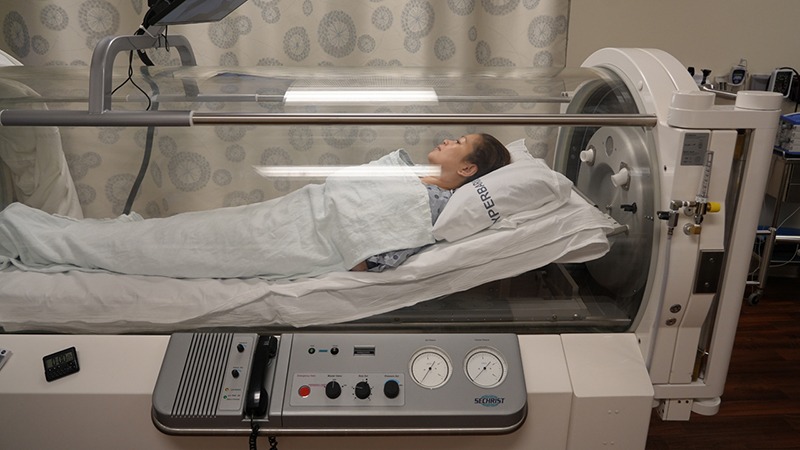
Source: nm.org
One of the most misunderstood differences between soft shell and hard shell hyperbaric chambers is how oxygen is delivered. This is not just a technical detail. It directly affects how your body responds.
Soft shell chambers usually increase pressure using ambient air while oxygen is supplied through a nasal cannula or mask from a concentrator. Oxygen concentration is elevated, but not pure.
Hard shell chambers often fill the entire chamber with medical-grade oxygen or deliver oxygen through a sealed hood system. This allows for near-total oxygen saturation at higher pressure levels.
Did you know?
At 2.4 ATA in a hard shell chamber, oxygen dissolved in plasma alone can meet resting tissue needs without red blood cell contribution.
That level of oxygen availability simply cannot be achieved in soft shell systems, regardless of session length.
Portability, Installation, and Real-World Practicality
Soft shell hyperbaric chambers shine when it comes to convenience. They are portable, require minimal setup, and can often be installed in a spare room without structural changes.
For athletes or individuals focused on recovery and wellness, this practicality is appealing.
Hard shell chambers, however, are permanent installations. They require dedicated space, trained operators, and compliance with medical facility standards.
This makes them less practical for home use but ideal for professional settings.
Choosing between the two often comes down to intent. Casual recovery and wellness users value flexibility.
Clinical and therapeutic users prioritize consistency, depth, and safety. Understanding this distinction prevents unrealistic expectations and ensures the technology aligns with actual needs.
Cost Differences and What You Are Really Paying For
At first glance, the cost difference between soft shell and hard shell hyperbaric chambers can be shocking.
Soft shell systems are significantly more affordable, while hard shell chambers represent a major investment.
However, the price reflects engineering complexity, pressure capability, safety systems, and clinical effectiveness.
Hard shell chambers are not just stronger. They are more precise, more regulated, and more versatile.
Costs typically cover:
- Structural materials and pressure testing
- Oxygen delivery infrastructure
- Monitoring and control systems
- Compliance with medical regulations
When evaluated over long-term results rather than upfront cost, the value proposition becomes clearer, especially for clinics and medical providers.
Choosing the Right Chamber Based on Goals

Source: healthline.com
There is no universally “better” option between soft shell and hard shell hyperbaric chambers. The right choice depends entirely on goals, health status, and desired outcomes.
Soft shell chambers may be suitable if you are seeking:
- General wellness support
- Muscle recovery and fatigue reduction
- At-home convenience
Hard shell chambers are more appropriate for:
- Medical-grade therapy
- Chronic injuries or wounds
- Neurological or post-surgical recovery
Understanding these distinctions helps avoid disappointment and ensures expectations match what the technology can realistically deliver.
Final Thoughts
The difference between soft shell and hard shell hyperbaric chambers goes far beyond appearance.
It is about pressure capability, oxygen delivery, safety engineering, and clinical effectiveness. Soft shell chambers offer accessibility and convenience, while hard shell chambers provide depth, precision, and medically validated outcomes.
As hyperbaric therapy continues to grow, informed decisions matter more than ever.
When you understand how the technology works, you are no longer choosing based on price or marketing.
You are choosing based on physiology, safety, and real-world results. And that is where meaningful healing begins.