
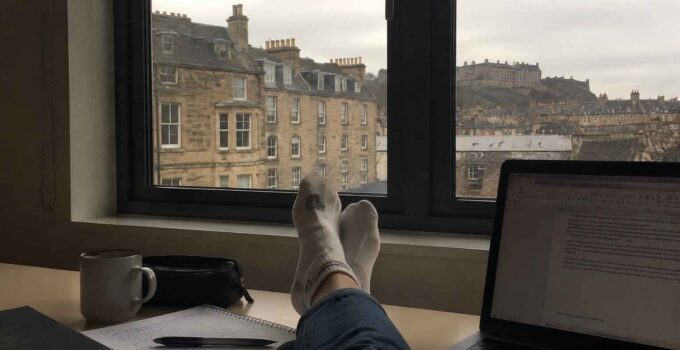
Studying abroad can be exciting, but daily life also brings loneliness, exhaustion, financial pressure, and unfamiliar routines. Academic planning alone does not prepare students for those challenges.
Participation rates also show how strongly some college environments can make studying abroad feel expected:
- About 16% of U.S. undergraduates earning bachelor’s degrees study abroad.
- At Georgetown University, 57% study abroad.
- In Georgetown’s School of Foreign Service, roughly 80% study abroad.
High participation can create pressure to leave campus even when studying abroad does not match a student’s finances, academic plans, or personal goals.
Preparation should include emotional adjustment, budgeting, cultural awareness, and everyday responsibilities.
Money and Budgeting
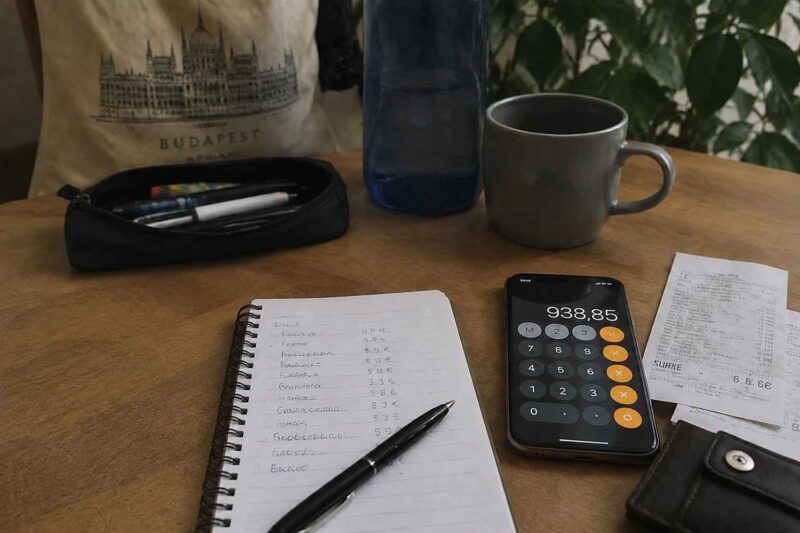
Tracking small daily expenses can help prevent a semester budget from running out faster than expected.
Living costs can increase quickly once travel, restaurants, entertainment, sightseeing, and transportation are added to normal expenses.
Small purchases can seem harmless at first, but repeated spending can put serious pressure on a semester budget.
One student noticed after eight weeks abroad how quickly available money could run low.
Weekend trips, train tickets, museum admission, meals out, coffee, nightlife, and spontaneous activities can create expenses that were easy to underestimate before departure.
Employment may not solve a budget problem. Student visas can restrict the number of hours international students are allowed to work, and some visa conditions may limit the types of jobs students can accept.
Health coverage can create another significant expense, so students studying in Germany should compare their required coverage with options such as private health insurance for students before setting their monthly budget.
Depending on part-time income without checking those rules can create problems later.
A useful budget should also leave some money unassigned. Lost belongings, canceled transportation, higher-than-expected utility costs, or an unplanned trip can quickly affect spending plans.
Smaller university grants and funding opportunities may also be available after international students arrive.
Departmental awards, campus programs, and limited financial assistance can sometimes help with costs even when a student did not receive a major scholarship before departure.
Emotional Adjustment
Enjoying life abroad does not prevent homesickness, loneliness, or exhaustion.
Excitement and discomfort can exist at the same time, especially during the first weeks when students are learning new routines, meeting unfamiliar people, and adjusting to life without their usual support system.
Pressure to make every day memorable can make normal rest feel like wasted time. Social media can add to that pressure when other students constantly post weekend trips, dinners, parties, and sightseeing.
Staying home for an evening may then feel like missing an opportunity, even when rest is exactly what someone needs.

Homesickness can appear even after several weeks of feeling comfortable in a new country.
- Feeling guilty for staying in or spending a quiet Sunday at home.
- Struggling with low self-esteem while adjusting to a new environment.
- Crying during difficult periods instead of feeling constantly excited.
- Having days when going home felt preferable to staying abroad.
Personal problems do not disappear after moving to another country.
Stress, insecurity, relationship problems, or low confidence can continue and may feel stronger when familiar people and routines are not nearby.
Homesickness can also appear unexpectedly.
Someone may feel comfortable for several weeks and then suddenly miss family, familiar food, a bedroom at home, or an ordinary conversation with a close friend. Such reactions do not mean the semester is going badly.
Everyday Life Is Harder Than Expected
Ordinary tasks can become frustrating when familiar routines disappear.
Learning public transportation, operating an unfamiliar washing machine, navigating streets, buying groceries, or figuring out how doors work can take unexpected effort.
Small problems also become tiring when several happen on the same day. Missing a train, misunderstanding a store employee, getting lost, or buying the wrong household product may not sound serious on its own.
Repeated adjustments can still create mental fatigue.
One student compared studying abroad to freshman year because new people, surroundings, and routines all arrive at once.
Familiar habits that once required almost no thought have to be rebuilt.
Daily differences can appear in places students rarely think about before leaving home. Restaurant practices, store hours, apartment layouts, public transportation rules, and household appliances may work differently than expected.
Comforts such as air conditioning, free water at restaurants, or larger showers can suddenly feel much more important.

Relearning simple routines in a new country can add unexpected mental fatigue to everyday life.
- Shopping at the same grocery store or market until buying essentials feels easier.
- Learning a few reliable transportation routes before trying less familiar ones.
- Planning errands together instead of making several unnecessary trips.
- Writing down class deadlines, travel plans, appointments, and household responsibilities in one calendar.
Predictable routines reduce the attention required for basic tasks. More mental energy can then go toward classes, friendships, travel, and adapting to the host community.
Creating small familiar routines can make an unfamiliar place feel more comfortable, much like the details that can make a hotel stay feel like home abroad.
Friends, Culture Shock, and FOMO
Making friends can feel like starting college again because students are building social circles while adapting to unfamiliar surroundings.
Existing friendships back home may provide comfort, but they cannot replace having people nearby for meals, classes, errands, or weekend plans.
Friendships abroad can form quickly because many students are going through similar adjustments. Strong early connections do not always last, though.
Travel schedules, class responsibilities, housing arrangements, and different social preferences can change groups as the semester continues.
FOMO can also involve life back home. Time abroad may mean missing birthdays, campus events, time with close friends, conversations with professors, and ordinary moments within a familiar community.
Watching those events through social media can make distance feel more noticeable.
- Feeling left out of events happening at home.
- Feeling pressure to accept every invitation abroad.
- Comparing personal plans with classmates who travel more often.
- Worrying that resting means wasting a limited semester.
Culture shock includes more than language and food. Movies, television, news, social media, and tourism marketing can give students an incomplete picture of another country’s history, inequality, politics, and social issues.
Daily habits can also challenge expectations. Communication styles, attitudes toward time, classroom behavior, customer service, personal space, and social rules may differ in ways students did not anticipate.
Trying to experience everything can create unnecessary pressure. A single semester cannot include every city, event, restaurant, trip, or social opportunity.
Paying attention to ordinary life can often teach students more about where they are living than constantly moving between tourist activities.
Independence and Personal Growth
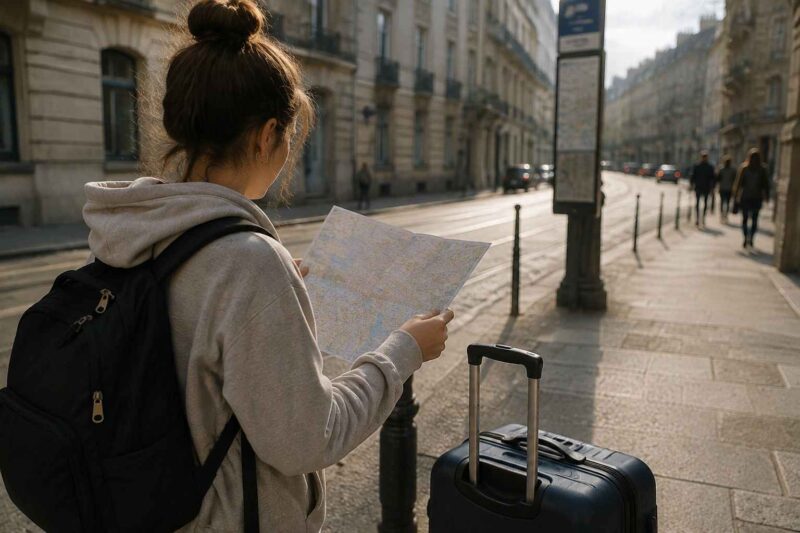
Managing transport, schedules and unexpected problems abroad can gradually build confidence and independence.
Living abroad requires students to manage transportation, money, schedules, schoolwork, household tasks, and unexpected problems with less support.
Parents, close friends, professors, and familiar campus resources may no longer be immediately available when something goes wrong.
Independence often develops through small responsibilities rather than dramatic moments.
Finding another route after missing a train, contacting a landlord about an apartment problem, keeping track of spending, or handling a scheduling mistake can gradually build confidence.
Organization becomes especially important when academics and travel compete for time.
- Planning assignments around trips and activities so deadlines did not become last-minute emergencies.
- Discussing schedules with a roommate so both people knew when responsibilities, travel, or visitors might affect their shared space.
Time management can become more difficult because students may want to say yes to every opportunity. A weekend trip can reduce study time, while a late social night can make an early class harder.
Learning to choose between competing priorities becomes part of living independently.
International study can also challenge assumptions about another society.
Paying attention to history, inequality, social issues, politics, and daily life can help students become more globally aware and less dependent on stereotypes shaped by media or tourism.
Summary
Studying abroad is not constant travel or entertainment. For several months, another country becomes normal life, complete with deadlines, grocery trips, transportation problems, boring days, stress, and mistakes.
Growth often comes through managing those ordinary difficulties. Students learn independence by handling money, homesickness, culture shock, responsibilities, and uncertainty without expecting every day to feel exceptional.
Successful preparation means expecting both excitement and difficulty. Dealing with each is part of what makes studying abroad personally valuable.