

Dry needling can help some people with persistent shoulder tightness, particularly when sensitive muscle tissue contributes to pain or restricted movement. The relief is usually short-term, however, and the treatment cannot repair a torn tendon, reverse arthritis, or correct every cause of shoulder discomfort.
Recent research supports treating dry needling as one part of a broader rehabilitation plan rather than a complete solution. Before booking a session, it is worth understanding what “tightness” may represent, what the procedure involves, and when shoulder symptoms call for medical assessment instead.
Shoulder tightness is a symptom, not a diagnosis
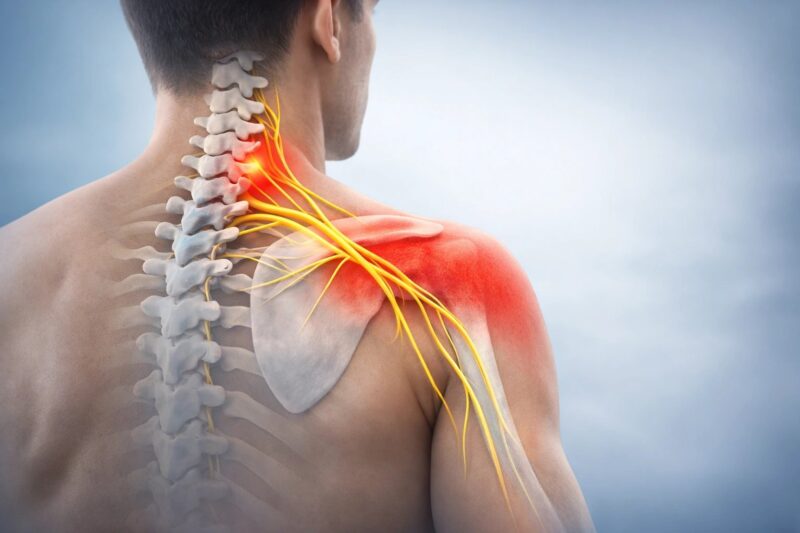
Source: oliverkhoo.com.au
A shoulder that feels tight may be reacting to prolonged desk work, repeated overhead activity, an abrupt increase in training, or reduced movement after an injury.
Similar sensations can also accompany rotator cuff tendinopathy, frozen shoulder, arthritis, joint instability, or pain referred from the neck.
That is why a clinician should examine movement, strength, symptom history, and the activities that provoke discomfort before recommending treatment.
The 2025 clinical practice guideline for rotator cuff tendinopathy covers assessment, nonsurgical care, rehabilitation, and return to activity. Its scope also shows why one label cannot cover every painful shoulder. Dry needling may address sensitive muscles, but the underlying problem still determines the treatment plan.
What dry needling is intended to do
During dry needling, a trained clinician inserts a thin, solid needle into selected muscle or connective tissue. No medicine is injected, which explains the word “dry.” The clinician may target an area that reproduces familiar pain, sometimes described as a trigger point, and may briefly move the needle or leave it in place. A local twitch can occur, but it is not required for treatment to be useful.
The immediate goal is usually to reduce pain sensitivity or muscle guarding so that reaching, lifting, or exercise becomes more comfortable. The effect should then be tested through movement rather than judged only by how loose the shoulder feels on the treatment table.
Physical therapy in Scarborough, Maine, may combine a detailed movement assessment with dry needling, manual therapy, and individualized strengthening when appropriate. Readers seeking an individualized assessment and rehabilitation options can discuss their symptoms at staggppt.com.
Research shows possible relief but important limits
The evidence is neither a clear endorsement nor a dismissal. A systematic review of six clinical trials found a small short-term reduction in pain and a larger improvement in pain-related disability, but the evidence ranged from moderate to low quality. Results varied between studies, and long-term benefits remained uncertain.
| Evidence | Main finding |
| 2021 review | Possible short-term improvement in pain and disability |
| 2026 randomized trial | No significant added improvement in the main disability score after one year |
| Clinical interpretation | Potential adjunct, not a replacement for rehabilitation |
The 2026 trial involving 121 participants did find differences in some secondary outcomes, including how acceptable participants considered their symptoms. That leaves room for individual benefit without proving a durable advantage for everyone.
Who may be a reasonable candidate

Source: atlanticptme.com
Dry needling may be worth considering when an examination suggests that muscle sensitivity or guarding is limiting otherwise appropriate movement.
A person might feel a familiar ache when a specific muscle is pressed, notice restricted motion without a major injury, or struggle to progress with exercise because discomfort keeps interrupting the program.
The decision should still follow an assessment rather than a quick search for the tightest spot.
A stronger case for trying dry needling may exist when:
- symptoms appear connected to muscular overload or repetitive activity;
- temporary pain reduction would make rehabilitation exercises easier;
- the patient understands that several responses are possible, including no meaningful change; and
- progress will be measured through sleep, range of motion, strength, or daily tasks.
If movement and function do not improve after a reasonable trial, the plan should be reconsidered rather than continued automatically.
Lasting progress usually depends on active rehabilitation
A shoulder may feel looser immediately after treatment and tighten again when the same workload, movement pattern, or strength deficit remains unchanged.
For this reason, dry needling is commonly combined with graded strengthening, mobility work, load management, and adjustments to sport or workplace routines.
Exercise selection should match the suspected condition and current tolerance instead of following a generic shoulder routine.
A useful treatment response is not simply soreness or a muscle twitch. It is a measurable improvement in movement, comfort, sleep, strength, or the ability to complete an important task.
A clinician may ask the patient to raise the arm, reach behind the back, or repeat a previously painful exercise before and after needling.
These comparisons help determine whether the procedure is contributing anything useful. The program should gradually rely more on active work as capacity improves.
Safety questions belong in the first appointment
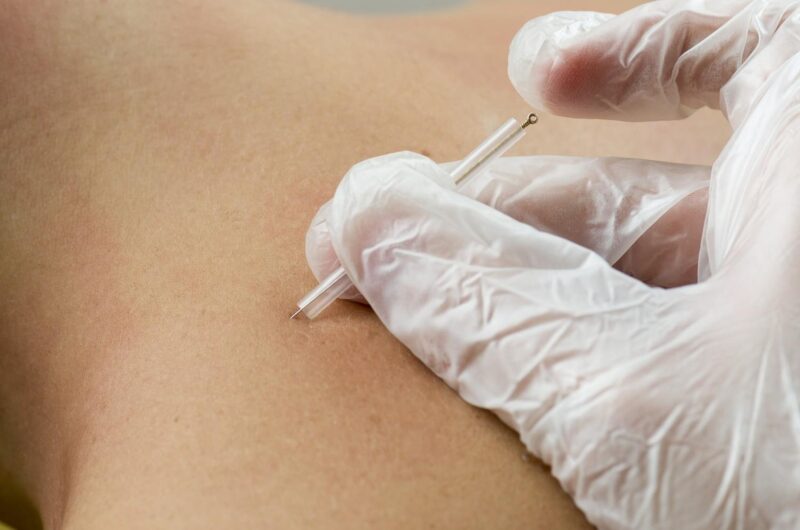
Source: northerncoloradospineandsport.com
Soreness during or after treatment is the most commonly reported side effect. Temporary stiffness, fatigue, minor bleeding, bruising, or lightheadedness can also occur.
Infection and nerve injury are less common. Needling around the upper shoulder and chest requires particular anatomical care because a misplaced needle can cause pneumothorax, or a collapsed lung.
The Cleveland Clinic’s clinical overview advises seeking urgent care for shortness of breath after treatment.
Before consenting, tell the practitioner about pregnancy, recent surgery, immune-system problems, a local skin infection, bleeding disorders, and anticoagulant medication. Also confirm the clinician’s training and legal authority to perform the procedure. Rules differ across the United States, as shown by the APTA’s state-by-state regulatory resource.
Skip needling and seek prompt medical assessment if the shoulder became deformed after an injury, the arm cannot move, swelling appeared suddenly, or numbness persists.
Fever with a hot, red, swollen joint also requires urgent attention. Shoulder discomfort accompanied by chest pressure, sweating, or breathing difficulty may signal a medical emergency rather than a muscle problem.
For persistent shoulder tightness without warning signs, dry needling can be a reasonable option after a proper evaluation. Expectations should remain specific: the treatment may create a window of reduced pain or easier movement, but the evidence does not show that it reliably produces lasting recovery by itself.
Track whether everyday function improves, continue the prescribed rehabilitation work, and ask for reassessment if progress stalls. A useful care plan should become clearer over time, not depend indefinitely on repeated needling to recreate the same temporary change.
Frequently asked questions
1. Is dry needling the same as a cortisone injection?
No. Dry needling uses a solid needle and does not deliver medication. A cortisone injection places an anti-inflammatory drug into or near a joint, tendon, or bursa and must be considered under different clinical guidelines.
2. Can I drive after a dry needling appointment?
Most people can drive afterward. If you feel dizzy, faint, unusually sore, or unable to move the arm comfortably, wait until the symptoms settle or arrange transportation before treatment.
3. Does health insurance cover dry needling?
Coverage varies by insurer, plan, location, and provider. Ask whether it is included in the physical therapy visit, billed separately, or excluded, and request the expected personal cost before consenting.
4. Can dry needling be performed after shoulder surgery?
Possibly, but only after the surgeon and rehabilitation clinician consider healing, infection risk, surgical precautions, and the tissues involved. A recently operated shoulder should not be needled without specific clearance.