
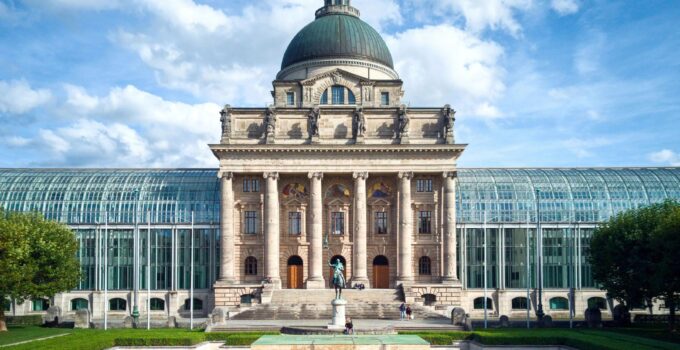
Munich has a reputation problem. Or maybe just a narrow spotlight. Most visitors orbit Marienplatz, drift through Schwabing, maybe stop at the English Garden, and call it a day. But the city stretches far beyond that polished center. Step out a little, and it shifts. It gets quieter, sometimes rougher around the edges, but also more interesting.
What makes these neighborhoods worth your time is not a checklist of sights. It is the feeling you get walking through them. The way people actually live there. The small routines that are not staged for visitors. If you want a version of Munich that feels less curated and more real, this is where you go.
Giesing: Where Munich Stops Performing
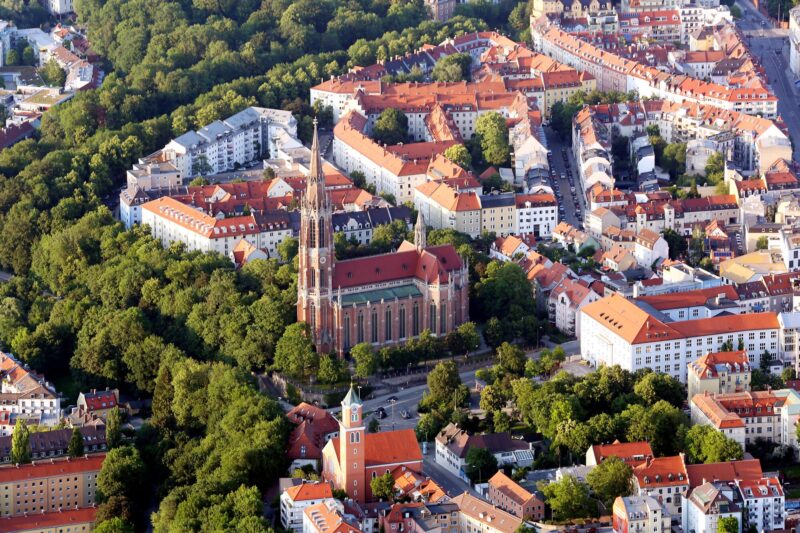
Source: lust-auf-muenchen.com
Giesing feels like a place that existed long before anyone thought about turning it into a destination. You walk through streets that are practical first, beautiful second.
There is a kind of honesty here. Old apartment blocks, local bakeries, bars that feel like they have regulars who never left. You notice small things. A handwritten sign on a door. A café that opens when it feels like it.
- Less polished architecture
- Strong local community feel
- Affordable eateries compared to the center
Spend an afternoon here and you stop looking for attractions.
Sendling: Quiet, But Not Boring
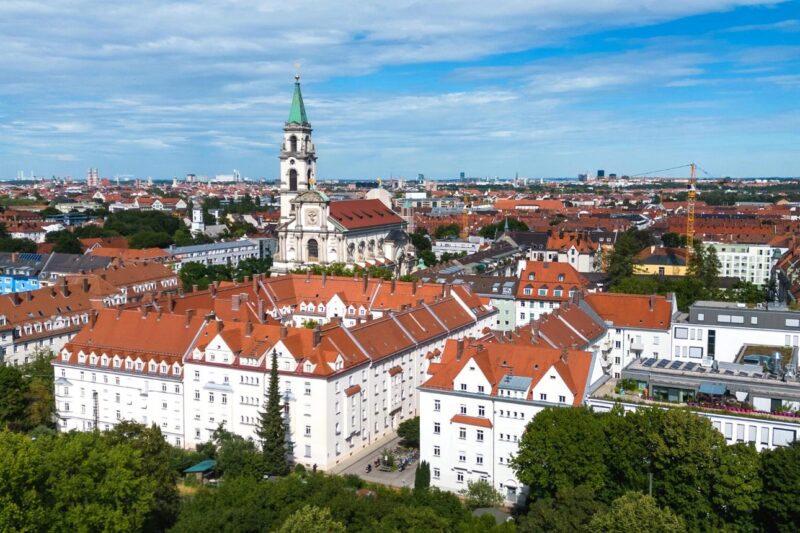
Source: sis.de
Sendling sits close enough to the center to be convenient, but far enough to feel detached from the rush.
There is a rhythm here that feels steady. Not slow, not fast. Just steady. Families, older residents, students, all sharing the same streets without much friction.
One thing you notice quickly is how everyday life dominates the space. Grocery runs, kids on bikes, people sitting outside small cafés without checking their phones every minute.
Did you know? Sendling was historically a working class district, and you can still feel traces of that identity in its architecture and layout.
Westend: A Neighborhood That Changed Without Losing Itself
Westend, sometimes called Schwanthalerhöhe, has gone through changes. You can see it in the mix of old and new. But it hasn’t lost its core.
There are modern apartments next to older buildings that look like they’ve been there forever. You get the sense that things evolved here instead of being replaced all at once.
Here is a quick look at what defines Westend:
| Aspect | What You’ll Notice |
| Food scene | Diverse, less tourist-focused |
| Atmosphere | Lively but not overwhelming |
| Architecture | Mix of historic and modern |
After walking through, you realize it feels lived-in, not redesigned.
Haidhausen: Not Hidden, Still Overlooked
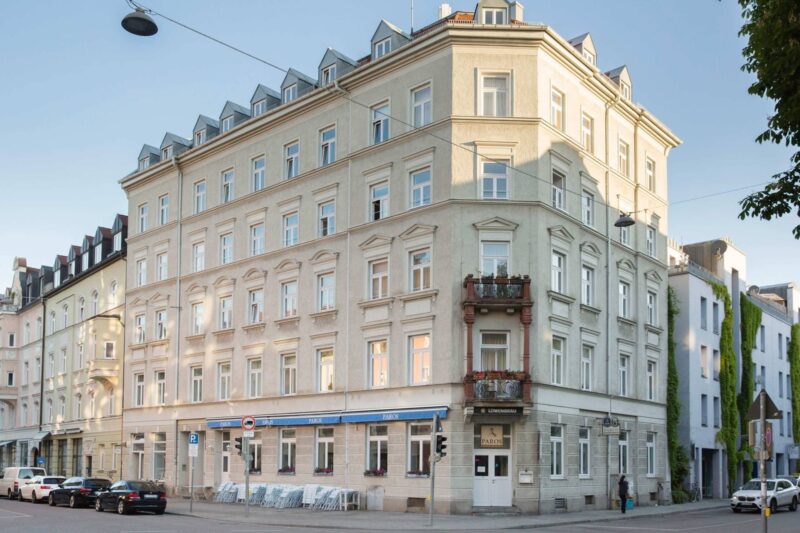
Source: munich.travel
Haidhausen isn’t exactly unknown, but it still doesn’t get the attention it deserves. It sits just across the river from the old town, yet feels like a different mindset entirely.
There is a softness to it. Tree-lined streets, smaller squares, places where people linger without urgency. It feels intentional, but not forced.
Some things that stand out:
- Strong café culture
- Walkable streets with character
- A balance between local life and subtle sophistication
Once you slow down, you start noticing details that would have slipped past you elsewhere.
Au: Small, Subtle, and Easy to Miss
Au often blends into the background, especially next to more talked-about areas. It is close to the Isar, which changes everything. The river adds a sense of openness that the city sometimes lacks. People gather there, but not in a crowded, tourist-heavy way.
There is also something slightly unpredictable about Au. A quiet street suddenly opens into a lively spot. A modest building hides a surprisingly good restaurant.
That unpredictability is refreshing.
A Different Side of Munich’s Social Scene
Munich’s social life is often reduced to beer halls and festivals, but that’s only one layer. In neighborhoods like these, the social scene is more varied and less visible at first glance.
You find smaller venues, more personal interactions, and spaces that feel less performative. People are not trying to impress anyone. They are just there.
It is also worth noting that Munich, like any major city, has a wide range of services and experiences. Those exploring more private or exclusive social options might come across services such as escort München, which reflects another side of the city’s discreet and personalized offerings.
This contrast between public tradition and private modernity is part of what makes Munich more complex than it first appears.
Why These Neighborhoods Matter More Than the Center
Source: munich.travel
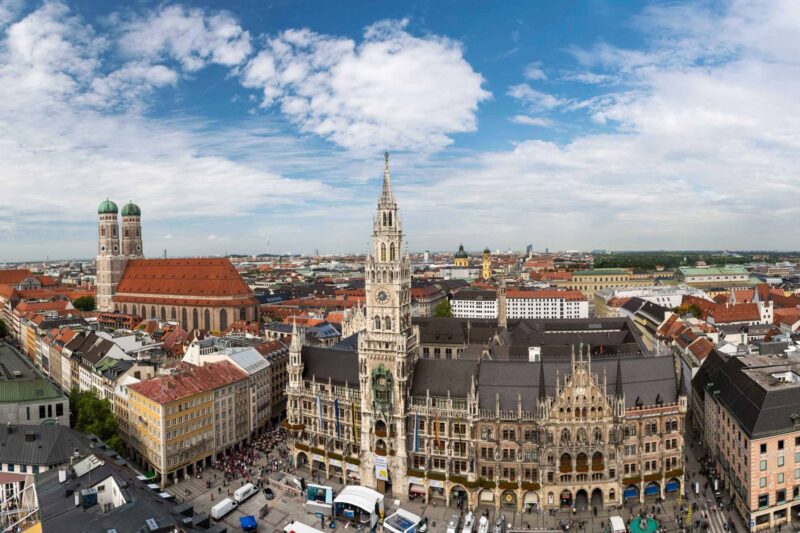
It is easy to assume the center defines a city. But in Munich, the outer neighborhoods often tell a more complete story.
They show how people actually live, not how the city wants to be seen. You notice differences in pace, in priorities, in how space is used.
Some key shifts you’ll feel:
- Less crowd pressure
- More local interaction
- A stronger sense of routine and normal life
These areas are not trying to compete with the center.
How to Explore The City
The mistake most people make is planning too much. These neighborhoods don’t reward tight schedules. They open up when you give them space.
Start with a direction, not a checklist. Walk until something catches your attention. Sit down somewhere that looks ordinary. Stay longer than you think you should.
You will probably miss a few things. That’s fine. These places are not about ticking boxes. They are about noticing what happens when you stop trying to optimize every moment.
That shift in approach changes how the city feels.
But if you only see the polished parts, you miss the layers that make it interesting in the long run.
The neighborhoods that deserve more attention are simply more honest. And once you see that, it becomes hard to go back to just the obvious spots.

